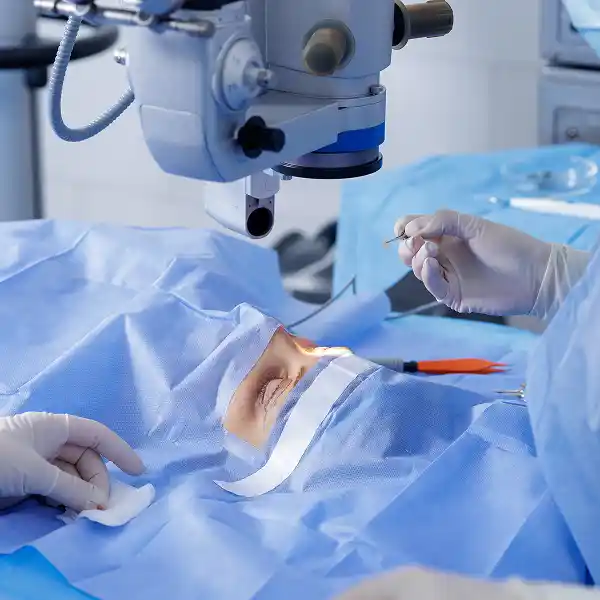
When it comes to your vision, you deserve more than just a routine checkup — you need a team of specialists who combine cutting-edge technology with genuine patient-centered care. Habbash Eye Center has established itself as a trusted destination for comprehensive eye care, attracting patients who seek both precision diagnosis and compassionate treatment. Whether you're experiencing blurry …
When it comes to your vision, you deserve more than just a routine checkup — you need a team of specialists who combine cutting-edge technology with genuine patient-centered care. Habbash Eye Center has established itself as a trusted destination for comprehensive eye care, attracting patients who seek both precision diagnosis and compassionate treatment. Whether you’re experiencing blurry vision, considering LASIK surgery, or managing a chronic eye condition like glaucoma or diabetic retinopathy, understanding what Habbash Eye Center offers can help you make an informed decision about your eye health. This guide covers everything you need to know — from the range of services available to what you can expect on your first visit. We’ll also answer the most common questions patients ask before booking an appointment. By the end of this post, you’ll have a clear picture of why so many patients trust Habbash Eye Center for their most precious sense: their sight.
What Is Habbash Eye Center?
Habbash Eye Center is a specialized ophthalmology and optometry practice dedicated to delivering full-spectrum eye care under one roof. Accessible through habash-eyecenter.com, the center serves patients across a broad range of visual needs — from routine eye exams and prescription eyewear consultations to complex surgical procedures.
The center’s philosophy centers on one core belief: every patient deserves individualized attention backed by the latest clinical evidence and technology. This means no rushed appointments, no one-size-fits-all prescriptions, and no shortcuts when it comes to your long-term vision health.
Direct Answer Box:
What does Habbash Eye Center specialize in?
Habbash Eye Center specializes in comprehensive eye care, including routine vision exams, refractive surgery (such as LASIK), cataract treatment, glaucoma management, pediatric eye care, and retinal disease diagnosis. The center combines advanced diagnostic technology with personalized treatment plans to serve patients of all ages.
Core Services Offered at Habbash Eye Center
1. Comprehensive Eye Exams
A thorough eye exam is the foundation of good vision health. At Habbash Eye Center, exams go beyond a simple vision test. Clinicians use advanced diagnostic equipment to evaluate:
- Visual acuity and refractive errors (nearsightedness, farsightedness, astigmatism)
- Intraocular pressure to screen for glaucoma
- Retinal health through dilated fundus examination
- Corneal topography for patients considering refractive surgery
- Binocular vision and eye muscle coordination
Regular eye exams are critical not just for maintaining clear vision but also for detecting systemic diseases. Many conditions — including diabetes, hypertension, and even certain cancers — can first show signs in the eyes.
[Learn more about scheduling your first comprehensive eye exam]
2. LASIK and Refractive Surgery
For patients tired of glasses or contact lenses, Habbash Eye Center offers state-of-the-art refractive surgery options. LASIK (Laser-Assisted In Situ Keratomileusis) remains one of the most commonly performed and safest elective surgical procedures in the world.
The team at Habbash Eye Center follows a rigorous pre-operative screening process to determine candidacy, including:
- Corneal thickness measurement
- Pupil size evaluation
- Dry eye assessment
- Detailed mapping of the cornea’s curvature
[STAT] According to the American Refractive Surgery Council, over 700,000 LASIK procedures are performed in the United States annually, with a patient satisfaction rate exceeding 96% — one of the highest of any elective procedure.
Beyond LASIK, the center may also offer PRK (Photorefractive Keratectomy) and SMILE (Small Incision Lenticule Extraction) for patients who are not ideal LASIK candidates due to corneal thickness or dry eye concerns.
[Explore refractive surgery options and candidacy requirements]
3. Cataract Diagnosis and Treatment
Cataracts are the leading cause of reversible blindness worldwide. Habbash Eye Center provides expert cataract evaluation and surgical referral or management, helping patients navigate their options with confidence.
Modern cataract surgery has evolved dramatically. Today’s procedures are minimally invasive, often taking fewer than 20 minutes, with most patients reporting significantly improved vision within 24 to 48 hours post-operation.
The center’s team works closely with patients to:
- Confirm cataract diagnosis with slit-lamp examination and optical coherence tomography (OCT)
- Discuss intraocular lens (IOL) options, including monofocal, multifocal, and toric lenses
- Provide pre- and post-operative care to ensure optimal outcomes
[STAT] The World Health Organization estimates that cataracts account for 51% of world blindness — approximately 20 million people — making early detection and access to quality care more critical than ever.
[Read about cataract surgery recovery and what to expect]
4. Glaucoma Management
Often called the “silent thief of sight,” glaucoma damages the optic nerve progressively and without noticeable symptoms in its early stages. Habbash Eye Center takes glaucoma seriously by offering:
- Intraocular pressure monitoring at every comprehensive exam
- Visual field testing to detect peripheral vision loss
- OCT imaging of the optic nerve head and retinal nerve fiber layer
- Medical management with topical eye drops and lifestyle guidance
- Referral coordination for laser or surgical intervention when needed
Early detection is everything with glaucoma. The center’s emphasis on preventive screening means patients are not waiting until symptoms appear to get help.
[Understand glaucoma risk factors and prevention strategies]
5. Pediatric Eye Care
Children’s eyes are still developing, and undetected vision problems can have lasting effects on learning and development. Habbash Eye Center provides specialized pediatric eye exams designed to:
- Detect amblyopia (lazy eye) early for the best treatment outcomes
- Identify strabismus (crossed or misaligned eyes)
- Assess refractive errors that may require corrective lenses
- Screen for congenital eye conditions
The clinical team uses child-friendly techniques and equipment to make young patients feel comfortable and cooperative during their visit.
[Schedule a pediatric eye exam for your child]
6. Retinal Disease and Diabetic Eye Care
The retina is the light-sensitive tissue at the back of the eye, and it’s particularly vulnerable to damage from conditions like diabetes and macular degeneration.
[STAT] The Centers for Disease Control and Prevention (CDC) reports that diabetic retinopathy is the leading cause of new cases of blindness among adults aged 20–74 years in the United States, yet up to 90% of vision loss from diabetes can be prevented with timely treatment and regular monitoring.
At Habbash Eye Center, retinal evaluations include:
- Fluorescein angiography
- OCT-Angiography (OCT-A) for non-invasive vascular imaging
- Fundus photography for documentation and comparison over time
- Coordination with endocrinologists and primary care physicians
[Discover how diabetic eye care works at Habbash Eye Center]
What to Expect on Your First Visit
Knowing what to expect makes the experience far less intimidating. Here’s a general roadmap for new patients at Habbash Eye Center:
Step 1: Pre-Visit Preparation
- Bring your current glasses or contact lens prescription
- Prepare a list of medications (some affect eye pressure and pupil size)
- Note any family history of eye disease
- Be ready to discuss any symptoms — even vague ones like occasional blurring or eye strain
Step 2: Registration and History
Staff will review your medical and ocular history, record your chief complaint, and ensure your insurance or payment information is up to date.
Step 3: Diagnostic Testing
Before seeing the doctor, a technician typically conducts preliminary tests including visual acuity, auto-refraction, tonometry (pressure check), and corneal imaging.
Step 4: Physician Consultation
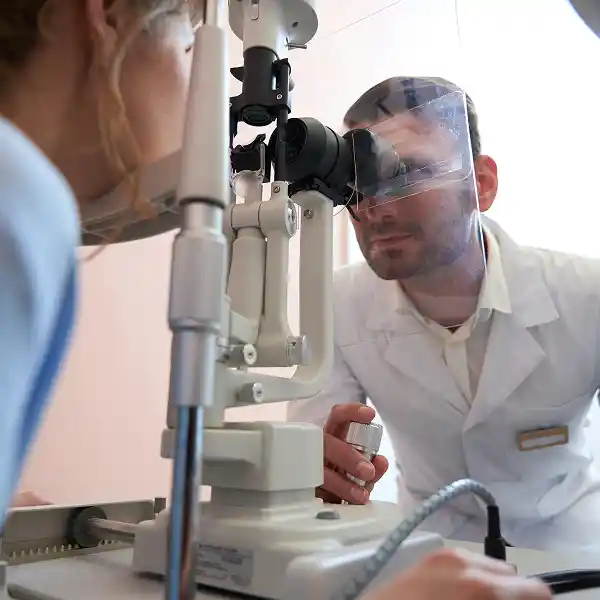
The ophthalmologist or optometrist will review test results, perform a slit-lamp examination, and discuss findings with you in plain language — no medical jargon overload.
Step 5: Treatment Planning
Whether you need new glasses, a prescription update, medical treatment, or surgery scheduling, the team creates a plan tailored specifically to your needs and lifestyle.
Why Choose Habbash Eye Center?
There are many eye care providers to choose from, but patients consistently return to Habbash Eye Center for several compelling reasons:
- Experienced clinical team with subspecialty training across all major areas of ophthalmology
- Advanced technology that enables earlier detection and more precise treatment
- Patient-first approach that respects your time, concerns, and goals
- Continuity of care — the same team follows you from diagnosis through treatment and follow-up
- Accessible communication through the practice’s website at habash-eyecenter.com
Frequently Asked Questions
Q1: How often should I visit Habbash Eye Center for an eye exam?
A: For most adults with no existing eye conditions, a comprehensive eye exam every one to two years is recommended. Patients with diabetes, glaucoma risk factors, or a family history of eye disease may need annual or even more frequent visits. Children should have their first eye exam by age one, again at age three, and then annually during school years.
Q2: Does Habbash Eye Center accept insurance?
A: Coverage options vary. It’s best to contact the center directly via habash-eyecenter.com or call their office to confirm whether your specific plan is accepted. Many centers also offer payment plans for elective procedures not covered by standard medical insurance.
Q3: Am I a good candidate for LASIK at Habbash Eye Center?
A: LASIK candidacy depends on several factors, including your prescription strength, corneal thickness, age, and overall eye health. The best way to find out is to schedule a LASIK consultation, during which the team will perform a full evaluation and give you an honest, personalized recommendation.
Q4: What age is appropriate for a child’s first eye exam at Habbash Eye Center?
A: The American Academy of Ophthalmology recommends a child’s first eye exam at approximately 6–12 months of age, followed by exams at ages 3 and 5, and then annually thereafter. Early detection of problems like amblyopia is critical, as treatment is far more effective in younger children.
Q5: Can Habbash Eye Center help if I have been diagnosed with macular degeneration?
A: Yes. The center offers retinal evaluations and management strategies for macular degeneration, including monitoring disease progression with advanced imaging and coordinating care with retinal specialists when necessary. Lifestyle counseling, nutritional supplement guidance (such as AREDS2 formulations), and low vision resources may also be part of the care plan.
Conclusion: Take the First Step Toward Clearer Vision
Your eyesight is irreplaceable, and the quality of care you receive can make all the difference between managing a condition effectively and losing ground to it. Habbash Eye Center brings together experienced clinicians, advanced diagnostic tools, and a genuine commitment to patient well-being — all in one accessible location.
Whether you’re overdue for a routine exam, exploring surgical options, managing a chronic condition, or simply want a second opinion, Habbash Eye Center is equipped to meet you where you are on your vision health journey.
Ready to take the next step? Visit habash-eyecenter.com today to learn more about available services, meet the clinical team, and book your appointment. Your clearest future starts with a single conversation.
Disclaimer: This blog post is intended for informational purposes only and does not constitute medical advice. Always consult a licensed eye care professional for diagnosis and treatment recommendations specific to your situation.