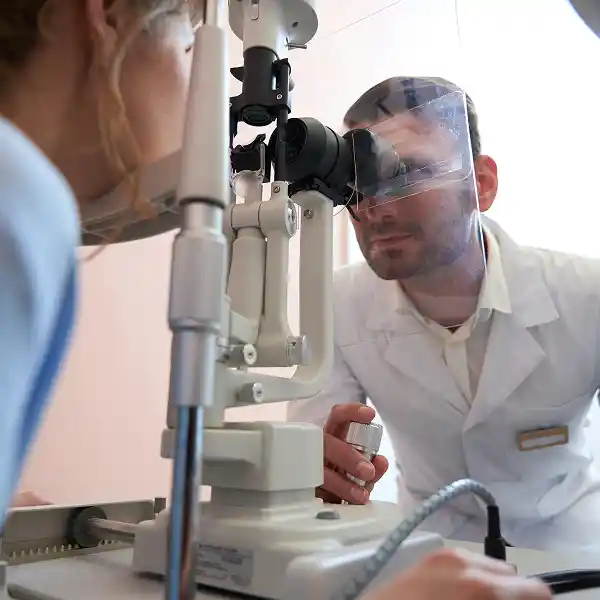
Your vision is irreplaceable — and choosing the right eye doctor could be the most important health decision you make. Whether you're dealing with blurry vision, planning LASIK surgery, managing a chronic eye condition, or simply due for an annual check-up, finding the best eye doctor in Jordan matters more than most people realize. Jordan has emerged …
Your vision is irreplaceable — and choosing the right eye doctor could be the most important health decision you make. Whether you’re dealing with blurry vision, planning LASIK surgery, managing a chronic eye condition, or simply due for an annual check-up, finding the best eye doctor in Jordan matters more than most people realize.
Jordan has emerged as a regional hub for medical excellence, and ophthalmology is no exception. With a growing number of clinics and specialists across Amman and beyond, patients now have access to world-class eye care without leaving the country. But with so many options available, how do you know who to trust with your most precious sense?
This comprehensive guide will walk you through everything you need to know — from what qualifications to look for, to the services offered by top practices like Habash Eye Center, to answers to the most frequently asked questions about eye care in Jordan.
What Makes an Eye Doctor “The Best”?
Not all ophthalmologists are created equal. When searching for the best eye doctor in Jordan, you should evaluate candidates across several key dimensions:
1. Board Certification and Academic Credentials
A top-tier eye doctor will hold certification from recognized ophthalmology boards — whether Jordanian, American, European, or otherwise. Look for:
- MD or DO degrees with specialization in ophthalmology
- Fellowship training in subspecialties like retina, glaucoma, cornea, or pediatric ophthalmology
- Membership in international organizations such as the American Academy of Ophthalmology (AAO) or the European Society of Ophthalmology (SOE)
2. Years of Clinical Experience
Experience matters enormously in surgery and diagnosis. An eye doctor who has performed thousands of cataract surgeries or LASIK procedures will naturally deliver better outcomes than someone early in their career. Always ask how many procedures a surgeon has completed.
3. Advanced Technology and Equipment
The best practices invest in cutting-edge diagnostic and surgical equipment, including:
- OCT (Optical Coherence Tomography) for retinal imaging
- Topography systems for corneal mapping
- Femtosecond laser platforms for refractive surgery
- Wavefront-guided LASIK technology
4. Patient Reviews and Reputation
Real patient experiences tell you what credentials cannot. Look for consistent positive reviews across Google, Facebook, and healthcare directories. Pay attention to comments about communication, wait times, post-operative care, and overall outcomes.
5. Subspecialty Expertise
General ophthalmologists are excellent for routine care, but complex conditions require specialists. The best eye clinics in Jordan offer access to subspecialists in:
- Retina and vitreous diseases
- Cornea and external diseases
- Glaucoma management
- Pediatric ophthalmology and strabismus
- Oculoplastics and orbital surgery
- Refractive and laser surgery
Why Habash Eye Center Is Among the Best Eye Clinics in Jordan
When Jordanians and medical tourists from across the Arab world ask about the best eye doctor in Jordan, Habash Eye Center consistently comes up in the conversation — and for very good reasons.
A Legacy of Trust and Excellence
Habash Eye Center has built its reputation over years of dedicated ophthalmology practice in Jordan. The center is founded on a philosophy of combining compassionate, patient-first care with the highest standards of medical precision. Their team of experienced ophthalmologists brings both local expertise and internationally recognized training to every consultation.
Comprehensive Services Under One Roof
One of the hallmarks of a leading eye center is the breadth of services offered. Habash Eye Center provides:
- Comprehensive eye examinations for all age groups
- LASIK and refractive laser surgery for freedom from glasses and contact lenses
- Cataract surgery using modern phacoemulsification techniques
- Retinal disease diagnosis and treatment, including injections for macular degeneration and diabetic retinopathy
- Glaucoma screening and management
- Pediatric eye care and strabismus correction
- Contact lens fitting and consultation
- Dry eye disease treatment
- Corneal transplantation and management
This full spectrum of services means patients rarely need to be referred elsewhere — a true sign of a comprehensive, best-in-class facility.
State-of-the-Art Diagnostic Technology
Habash Eye Center invests in the latest ophthalmic technology to ensure accurate diagnoses and optimal surgical outcomes. From high-resolution retinal imaging to advanced corneal topography, patients benefit from the same level of diagnostic sophistication found in top international eye centers.
Personalized, Patient-Centered Care
What truly sets Habash Eye Center apart is its commitment to individualized care. Every patient receives a thorough consultation, a clear explanation of their diagnosis, and a customized treatment plan. The team understands that eye health decisions can be life-changing, and they take the time to answer every question with transparency and empathy.
Pro Tip: Visit habash-eyecenter.com to learn more about the full range of services and to schedule your consultation online.
Key Eye Conditions Treated by Top Ophthalmologists in Jordan
Understanding the conditions that top eye doctors treat can help you determine when to seek care and what kind of specialist you need.
Refractive Errors (Nearsightedness, Farsightedness, Astigmatism)
Among the most common reasons people visit the best eye doctors in Jordan, refractive errors affect millions. LASIK, PRK, and implantable collamer lenses (ICL) are all modern solutions offered by leading clinics.
Cataracts
Cataracts are a leading cause of reversible blindness worldwide. Modern cataract surgery is quick, safe, and highly effective — but the outcomes depend heavily on the surgeon’s skill and the quality of the intraocular lens used.
Glaucoma
Often called the “silent thief of sight,” glaucoma damages the optic nerve without warning symptoms. Early detection through regular eye exams is critical.
Diabetic Eye Disease
Jordan, like many Middle Eastern countries, faces a significant burden of diabetes — and diabetic retinopathy is one of the leading causes of vision loss. Regular dilated eye exams are essential for diabetic patients.
Macular Degeneration
Age-related macular degeneration (AMD) requires early intervention. The best eye doctors use intravitreal injections and photodynamic therapy to slow progression and preserve central vision.
Jordan’s Eye Care Landscape: Key Statistics
[STAT] According to the World Health Organization (WHO), approximately 2.2 billion people worldwide suffer from vision impairment or blindness, with a significant portion of cases being preventable or treatable — underscoring the critical importance of access to qualified eye care specialists.
[STAT] A report by the Jordan Medical Council indicates that Jordan hosts over 500 registered ophthalmologists, making it one of the highest per-capita concentrations of eye care professionals in the Arab world — a testament to the country’s investment in specialized medical education and healthcare infrastructure.
[STAT] Research published in the Middle East African Journal of Ophthalmology found that LASIK surgery success rates in the region exceed 95% when performed by experienced surgeons using modern laser platforms, reinforcing the importance of choosing a highly qualified and well-equipped eye center.
How to Choose the Right Eye Doctor for Your Specific Needs
Finding the best eye doctor in Jordan for your situation depends on your specific condition. Here’s a quick guide:
| **Your Concern** | **Type of Specialist to Seek** |
|---|---|
| Routine eye exam / glasses | General ophthalmologist or optometrist |
| LASIK / laser vision correction | Refractive surgeon |
| Cataracts | Cataract surgeon |
| Retinal disease / diabetes | Retina specialist |
| Glaucoma | Glaucoma specialist |
| Child’s eye problems | Pediatric ophthalmologist |
| Eyelid or orbital issues | Oculoplastic surgeon |
Questions to Ask Before Booking an Appointment
When evaluating whether a clinic or doctor is right for you, come prepared with these questions:
- What are your qualifications and fellowship training?
- How many procedures of this type have you performed?
- What technology do you use for diagnosis and surgery?
- What does the post-operative care process look like?
- Are there financing options available for surgical procedures?
At Habash Eye Center, the team encourages patients to ask exactly these kinds of questions — because informed patients make better health decisions and experience better outcomes.
Frequently Asked Questions (FAQ)
Q1: How do I find the best eye doctor in Jordan for my condition?
Start by identifying your specific concern — whether it’s a routine exam, surgery, or a chronic condition. Then look for board-certified ophthalmologists with subspecialty training in that area. Read patient reviews, verify credentials, and schedule a consultation to assess communication style and clinical approach. Habash Eye Center offers consultations across a full spectrum of eye conditions.
Q2: Is LASIK surgery safe in Jordan?
Yes. LASIK surgery performed by experienced surgeons using advanced laser platforms in Jordan is extremely safe, with success rates exceeding 95%. It’s essential to undergo a thorough pre-operative evaluation to confirm candidacy. Habash Eye Center follows international protocols for LASIK patient screening and surgical execution.
Q3: How often should I see an eye doctor?
Adults with no symptoms or risk factors should have a comprehensive eye exam every 1-2 years. People over 60, those with diabetes, a family history of glaucoma, or existing eye conditions may need annual or more frequent visits.
Q4: What is the difference between an optometrist and an ophthalmologist?
An optometrist is a licensed eye care professional who performs eye exams, prescribes glasses and contacts, and can diagnose some eye conditions. An ophthalmologist is a medical doctor (MD) who can do all of the above, plus perform surgery and treat complex medical eye diseases. For surgical or complex cases, you need an ophthalmologist.
Q5: Does Habash Eye Center accept insurance?
Many leading eye centers in Jordan, including Habash Eye Center, work with major insurance providers. It’s recommended to contact the center directly at habash-eyecenter.com or call their appointment line to confirm your specific coverage before your visit.
Conclusion: Don’t Compromise on Your Vision
Your eyesight is your most vital connection to the world around you. When it comes to finding the best eye doctor in Jordan, the decision deserves careful research, not a rushed Google search. Look for credentials, experience, technology, and — above all — a practice that genuinely puts patients first.
Habash Eye Center exemplifies everything a world-class ophthalmology practice should be: experienced doctors, advanced technology, comprehensive services, and a deep commitment to each patient’s individual needs. Whether you’re exploring LASIK, managing a chronic eye disease, or simply overdue for an eye exam, Habash Eye Center is a trusted destination for exceptional eye care in Jordan.
Ready to Take the Next Step?
Visit habash-eyecenter.com to browse services, meet the team, and book your consultation today. Don’t wait until your vision deteriorates — proactive eye care is always the best eye care.
This article is intended for informational purposes only and does not constitute medical advice. Please consult a qualified ophthalmologist for diagnosis and treatment of any eye condition